
Introduction: Dining Is No Longer Just About Food
In today’s fast-paced world, dining out has evolved into something far greater than simply satisfying hunger. A modern restaurant is no longer just a place to eat—it is a destination, an experience, and a story told through flavors, textures, aromas, and atmosphere.
Across the globe, diners are seeking more meaningful connections with what they eat, where it comes from, and how it is prepared. From carefully curated menus to thoughtfully designed spaces, restaurants are redefining what it means to dine well. The result is a culinary landscape where tradition meets innovation, and every meal becomes a moment worth remembering.
This article explores how modern restaurants are transforming the dining experience—and why this evolution matters more than ever.
1. From Meals to Moments: The Rise of Experience-Driven Dining
A decade ago, great food was enough to build a loyal customer base. Today, guests expect more. They want an experience that engages all five senses.
Modern restaurants focus on:
- Visual storytelling through elegant plating and interior design
- Sound and ambiance, from curated playlists to open-kitchen acoustics
- Emotional connection, where hospitality feels personal rather than transactional
Dining has become an event—whether it’s a casual lunch, a romantic dinner, or a celebration with friends. Restaurants that understand this shift design their service flow, menu pacing, and environment to create moments guests want to relive and share.
2. Fusion Cuisine: Where Cultures Meet on One Plate
One of the strongest trends shaping modern dining is fusion cuisine—the thoughtful blending of culinary traditions from different cultures.
Unlike the early days of fusion, where combinations were often experimental for shock value, today’s fusion is refined, intentional, and deeply respectful of its roots. Chefs study traditional techniques and ingredients, then reinterpret them through a modern lens.
Examples include:
- Asian herbs paired with Western cooking methods
- Traditional street food elevated with fine-dining presentation
- Classic comfort dishes refreshed with global spices
Fusion cuisine tells a story of travel, heritage, and creativity. It reflects a world that is increasingly connected—and diners who are curious, adventurous, and open-minded.
3. Ingredient Integrity: The Heart of Every Great Restaurant
Behind every memorable dish is a commitment to quality ingredients. Modern restaurants are moving away from shortcuts and embracing ingredient transparency.
This includes:
- Sourcing fresh, seasonal produce
- Using responsibly harvested seafood and meats
- Highlighting natural flavors rather than masking them
Guests today care deeply about what goes into their food. Menus that explain ingredients, origins, or cooking techniques help build trust and appreciation. When diners understand the thought behind a dish, they enjoy it more—and remember it longer.
4. The Power of Presentation: Eating with the Eyes First
Before the first bite, there is the first glance.
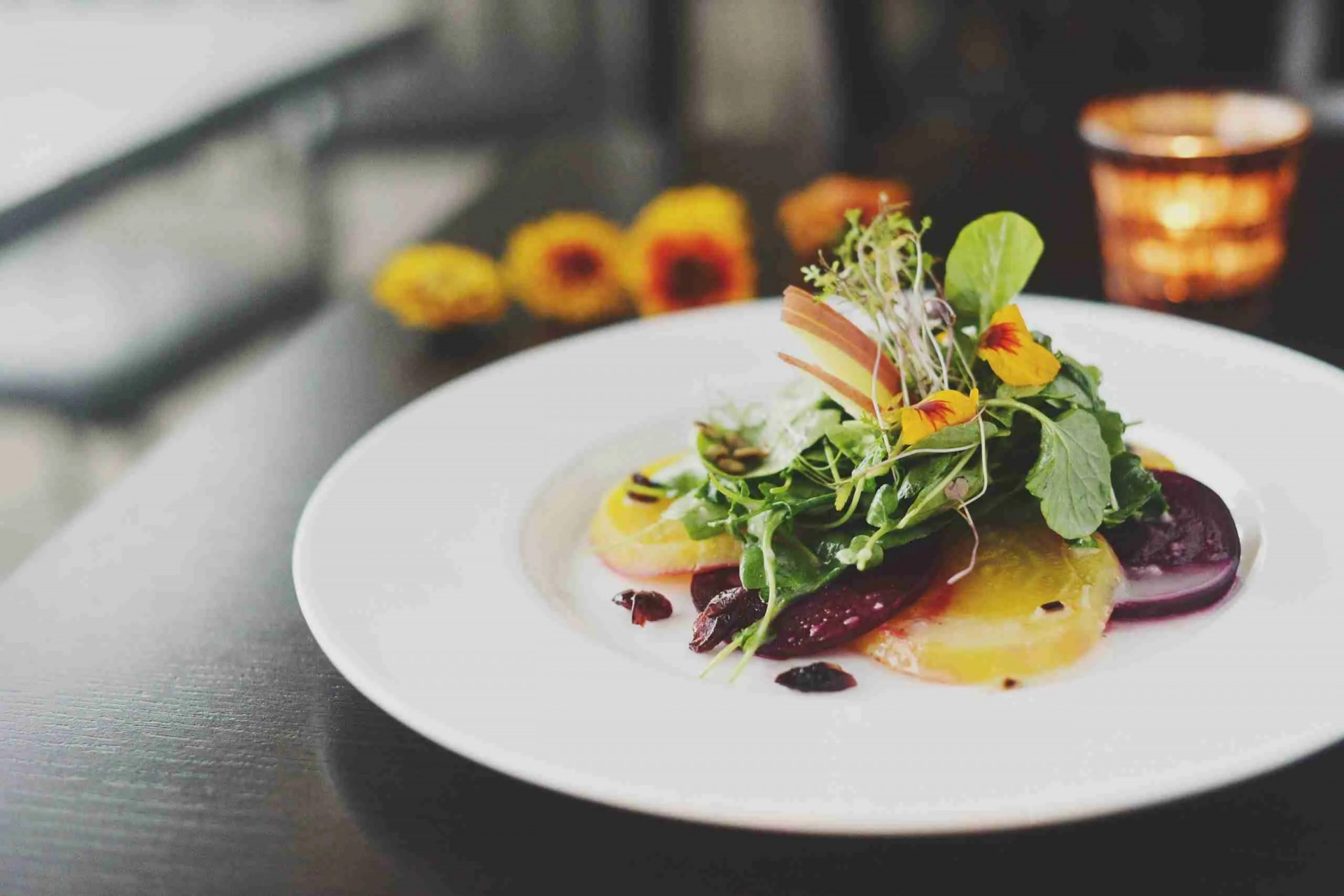
Presentation plays a crucial role in modern dining. Thoughtful plating enhances anticipation and elevates even the simplest ingredients. Clean lines, balanced colors, and intentional negative space transform a plate into a canvas.
But presentation isn’t about extravagance—it’s about clarity. A beautifully plated dish communicates confidence, care, and professionalism. It tells the guest: this was made just for you.
5. Atmosphere as a Silent Ingredient
The atmosphere of a restaurant is an invisible ingredient that shapes the entire dining experience.
Elements that matter include:
- Lighting that flatters both food and people
- Seating that balances comfort with intimacy
- Materials and colors that reflect the restaurant’s identity
Whether minimalist and modern or warm and garden-inspired, the best restaurants ensure their ambiance complements their cuisine. When atmosphere and food are aligned, guests feel immersed rather than distracted.
6. Service That Feels Human
Exceptional service doesn’t feel scripted—it feels genuine.
Modern hospitality focuses on:
- Attentive but unobtrusive service
- Staff who understand the menu deeply
- Personalized interactions without pressure
A well-trained team can elevate a good meal into a great memory. When guests feel welcomed, understood, and cared for, they return—not just for the food, but for the feeling.
7. Health-Conscious Dining Without Compromise
Today’s diners are increasingly health-aware, but they don’t want to sacrifice flavor. Modern restaurants respond by offering balanced options that feel indulgent yet nourishing.
This includes:
- Lighter cooking methods
- Plant-forward dishes
- Gluten-free or allergy-conscious alternatives
The key is choice. By offering flexibility without judgment, restaurants invite everyone to enjoy the experience on their own terms.
8. Storytelling Through Menus
A menu is more than a list of dishes—it’s a narrative.
Thoughtfully written descriptions can:
- Highlight cultural inspiration
- Explain unique ingredients
- Set expectations and spark curiosity
When guests read a menu that tells a story, they become emotionally invested before the food even arrives. This connection transforms ordering into exploration.
9. Sustainability as a Core Value
Sustainability is no longer optional—it’s expected.
Modern restaurants embrace eco-conscious practices such as:
- Reducing food waste
- Using biodegradable packaging
- Supporting local suppliers
These efforts resonate strongly with today’s diners, especially younger generations who value purpose-driven brands. Sustainability isn’t just good ethics—it’s good business.
10. Why Modern Restaurants Matter More Than Ever
In an age of delivery apps and digital convenience, restaurants remain essential social spaces. They bring people together, celebrate culture, and create shared memories.
A modern restaurant is:
- A place of connection
- A platform for creativity
- A reflection of community values
By blending tradition with innovation, today’s restaurants do more than serve food—they shape how we experience life.
Conclusion: Dining as an Ongoing Evolution
The future of dining lies in balance: honoring the past while embracing the present, indulging the senses while respecting the body, and creating experiences that feel both exciting and familiar.
As diners become more thoughtful and adventurous, restaurants that prioritize quality, storytelling, and authenticity will continue to thrive. In the end, the most successful restaurants are those that understand one simple truth:
Great food feeds the body. Great dining feeds the soul.