Introduction: Flavor Begins Before the First Bite
The taste of food does not start on the tongue—it starts in the mind. Long before a dish is served, a guest’s perception is shaped by lighting, music, layout, and atmosphere.
Restaurant ambiance plays a powerful role in how food is experienced, remembered, and shared.
1. Lighting and Emotional Comfort
Warm lighting creates intimacy and relaxation, while bright lighting encourages energy and movement.
Great restaurants use lighting to:
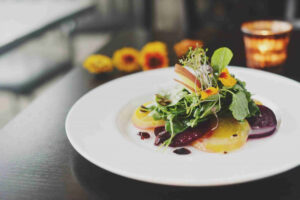
- Highlight food presentation
- Create emotional warmth
- Set the pace of dining
Lighting directly affects how flavors are perceived.
2. Sound, Silence, and Music
Music influences mood, appetite, and conversation.
Balanced sound design:
- Encourages longer stays
- Enhances comfort
- Prevents sensory overload
Silence, when intentional, can be just as powerful.
3. Design That Tells a Story
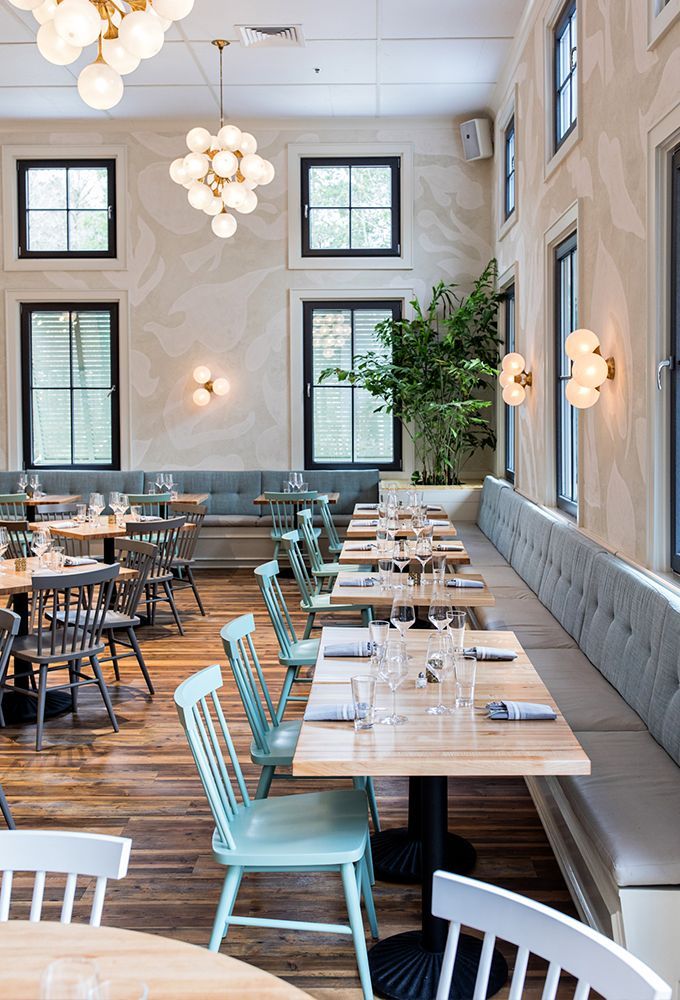
Interior design reflects the soul of a restaurant.
Materials, textures, and colors communicate:
- Cultural inspiration
- Brand personality
- Dining expectations
Guests subconsciously “taste” the space before the food.
4. Why Ambiance Creates Loyalty
People don’t remember every dish—but they remember how a place made them feel.
A well-designed ambiance:
- Builds emotional attachment
- Encourages repeat visits
- Increases word-of-mouth sharing
Conclusion
Great food may bring guests once—but great ambiance brings them back.